Prescription Economics: How American Patients Can Cut the Real Cost of Levaquin
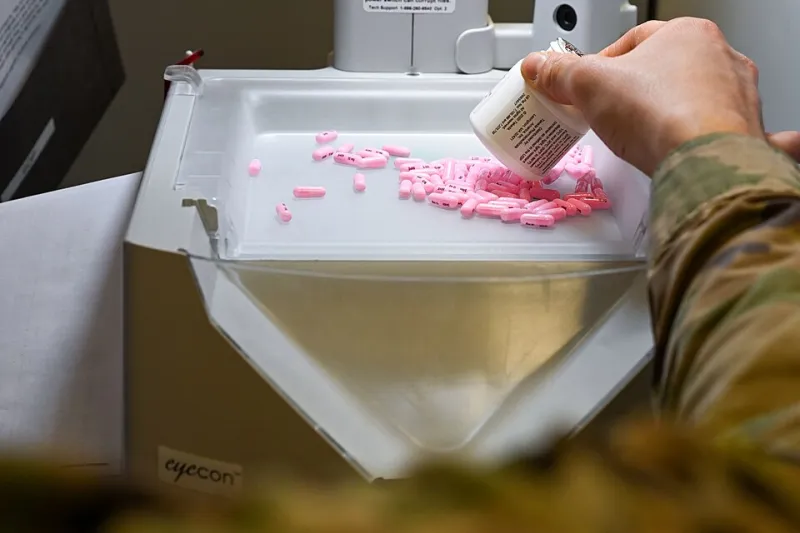
Photo: U.S. Air Force photo by Senior Airman Jessica Sanchez-Chen, Public domain, via Wikimedia Commons
The Sticker Shock Is Real — But So Are the Savings
For many Americans, the moment of truth at the pharmacy counter arrives with a number that seems disconnected from what they expected. A week-long course of brand-name levofloxacin — the generic name for Levaquin — can range anywhere from $30 to well over $100 depending on where you fill it and how you pay. Yet patients who take twenty minutes to research their options frequently cut that figure dramatically, sometimes to under $10.
The difference between paying too much and paying fairly rarely comes down to luck. It comes down to knowing which levers to pull. Here are the ones that matter most.
Start With the Generic: Levofloxacin
Brand-name Levaquin was developed by Janssen Pharmaceuticals, and while it earned a reputation as a reliable fluoroquinolone antibiotic, the patent expired years ago. That means generic levofloxacin is widely available across the United States and is chemically equivalent to the brand — same active ingredient, same dosage strengths, same FDA standards.
In practice, generic substitution alone can reduce the cost by 70 to 90 percent. If your prescription reads "Levaquin," ask your prescriber or pharmacist to note that generic substitution is acceptable. In most states, pharmacists will dispense the generic automatically unless the prescriber specifies otherwise.
A typical course — seven tablets of 500 mg levofloxacin — often prices between $10 and $25 at major chains like Walmart, CVS, and Walgreens, and sometimes less at warehouse pharmacies or discount programs.
Use Pharmacy Comparison Tools Before You Fill
One of the most underused resources in American healthcare is the free price-comparison tool. Platforms such as GoodRx, SingleCare, WellRx, and Cost Plus Drugs publish negotiated cash prices for levofloxacin at pharmacies near you.
The process takes minutes:
- Enter "levofloxacin" and your dosage on a comparison site or app
- Review quoted prices at nearby pharmacies — the spread can be astonishing, sometimes $15 versus $65 for the identical tablets
- Present the discount card or coupon code at the counter
Be aware that discount card pricing is a cash price, not an insurance claim. For inexpensive generics, the coupon price is frequently lower than your insurance copay. Do the math both ways before committing.
Tap Into Discount Programs and Memberships
Beyond one-off coupons, several recurring options deserve attention:
- Pharmacy membership programs. Walmart's prescription program and similar offerings at regional chains list certain generics at flat low prices, sometimes under $10 for a full course.
- Warehouse club pharmacies. Costco and Sam's Club pharmacies accept non-members for prescriptions in most states, and their cash prices are often among the lowest available.
- Manufacturer and nonprofit assistance. While brand Levaquin assistance is limited now that generics dominate, organizations like NeedyMeds and the Medicine Assistance Tool can point patients with financial hardship toward broader support.
- Telehealth and mail-order pharmacies. Reputable licensed online pharmacies frequently bundle consultation and dispensing at competitive rates, particularly for patients without insurance. Verify credentials through the NABP's LegitScript or .pharmacy verification before ordering.
Make Your Insurance Work Harder
If you carry commercial insurance, Medicare Part D, or Medicaid coverage, levofloxacin is on nearly every plan's formulary as a tier-one generic. That typically means a copay of $0 to $10.
A few insurance-savvy moves:
- Check your plan's formulary tier before filling — some plans price the same drug differently at preferred versus non-preferred pharmacies.
- Ask about a 90-day mail-order option if your prescriber anticipates repeat prescriptions for a chronic condition, though most antibiotic courses are short-term.
- Use your Health Savings Account or Flexible Spending Account. Antibiotic copays and cash pharmacy purchases are qualified medical expenses under both.
A Sample Savings Scenario
Consider a realistic case: an uninsured patient in Ohio is prescribed seven days of levofloxacin 500 mg.
- Filling brand-name Levaquin at a retail chain without discounts: $80–$120
- Filling generic levofloxacin at the same chain with a comparison coupon: $12–$20
- Filling generic at a discount program or warehouse pharmacy: $6–$12
That's a potential saving of over $100 for a few minutes of research — money that stays in the patient's pocket.
Affordability Should Never Mean Skipping Treatment
Cost should never be the reason an infection goes untreated or a course is abandoned halfway. Antibiotics are among the most affordable categories of medicine in the American market when patients use the tools available to them. Compare prices, insist on the generic, stack discounts where permitted, and lean on your pharmacist — they see the pricing landscape daily and can often identify the cheapest legitimate route on the spot.
At Levaquin Shop, we believe informed patients are empowered patients. Affordable, trusted antibiotic care isn't a luxury; with the right approach, it's a phone call or a click away.