The Antibiotic Drawer: Why Saving Levaquin for Later Is a Risk Not Worth Taking

Photo: unused antibiotic bottle medicine cabinet disposal photo, via i5.walmartimages.com
Walk into many American homes and you will find a small pharmacy of unfinished prescriptions: a few capsules in a amber bottle, a blister pack tucked behind the cough syrup, a partial course saved for a future emergency. The instinct is understandable. Medication is expensive, access can be inconvenient, and a future infection feels inevitable. But saving leftover antibiotics—especially Levaquin—is not prudent planning. It is self-prescribing without a diagnosis, a dose check, or a safety review. At Levaquin Shop, we believe that distinction deserves more attention than it usually receives.
A Common Habit With Uncommon Risks
The phrase rainy-day fund sounds harmless. Applied to antibiotics, it is misleading. A leftover capsule is not money in a savings account. It is a powerful prescription drug that was selected for a specific infection, at a specific dose, for a specific patient at a specific time. Once that context disappears, the drug becomes an unmonitored experiment.
Patients often save antibiotics because they want to avoid a second copay or a repeat visit. That is a real concern, and it deserves a real solution: better access to primary care, transparent pricing, and reliable prescription services. It does not justify treating a future illness with a drug that may be the wrong choice, the wrong dose, or no longer appropriate.
Why Levaquin Is a Particularly Poor Candidate for Stockpiling
Levaquin is levofloxacin, a fluoroquinolone antibiotic with a boxed warning for serious adverse reactions. Those reactions include tendon injury, peripheral neuropathy, and central nervous system effects, and the drug may worsen muscle weakness in people with myasthenia gravis. This is not a medicine to use casually when a symptom appears.
Dosing is another problem. Levaquin dosing depends on the infection being treated, kidney function, and other patient factors. A dose that was right for one episode may be wrong for the next. The drug can also interact with other medications, including some antacids, supplements, and heart rhythm medicines. Without a pharmacist or prescriber reviewing the full picture, a saved tablet becomes a gamble.
Storage matters as well. Bathroom medicine cabinets are humid, kitchens are warm, and cars can become ovens. A drug that has degraded or been stored improperly may not work as intended. Patients also sometimes keep capsules in unlabeled containers, making it impossible to confirm what they are taking.
Most importantly, a leftover antibiotic cannot diagnose. A fever, cough, or urinary symptom can have many causes. Using Levaquin for the wrong condition delays effective care, exposes the patient to unnecessary risk, and contributes to antibiotic resistance.
The Stewardship Case Against the Drawer
Antibiotic stewardship is often described as the right drug, at the right dose, for the right duration. It is also about what not to do. Saving antibiotics encourages incomplete courses, inappropriate reuse, and self-treatment—three habits that work against stewardship.
When a patient takes a partial course for a new illness, the bacteria causing that illness may be exposed to a drug that is not ideal for them, at a dose that is too low or too short. That is precisely how selection pressure for resistant bacteria grows. The leftover drawer may feel like preparedness, but at the population level it is a small, repeated nudge toward infections that are harder to treat.
Levaquin is not an exception to this rule. It is a reason to take the rule more seriously.
Safe Disposal Is Part of Responsible Use
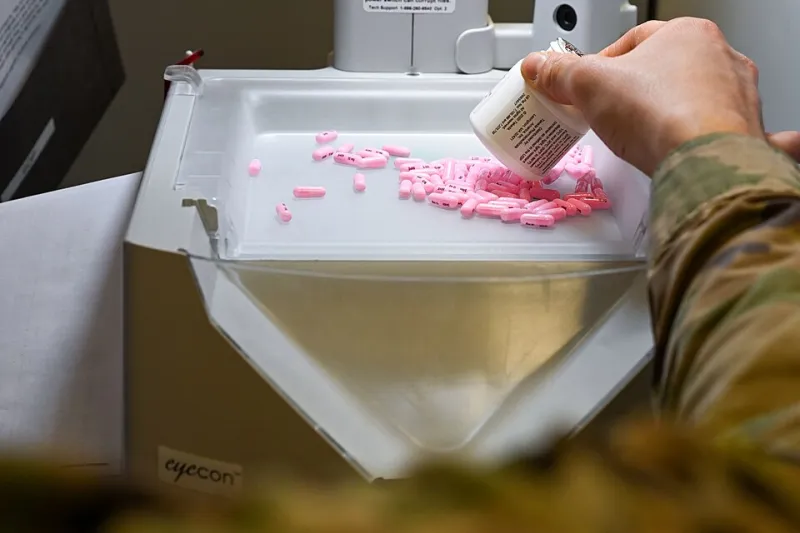
If a prescription is finished, expired, or no longer needed, the safest step is to remove it from the home. Many communities offer pharmacy take-back programs or secure drop boxes. The U.S. Drug Enforcement Administration also coordinates periodic take-back events, and local police departments sometimes host permanent collection sites.
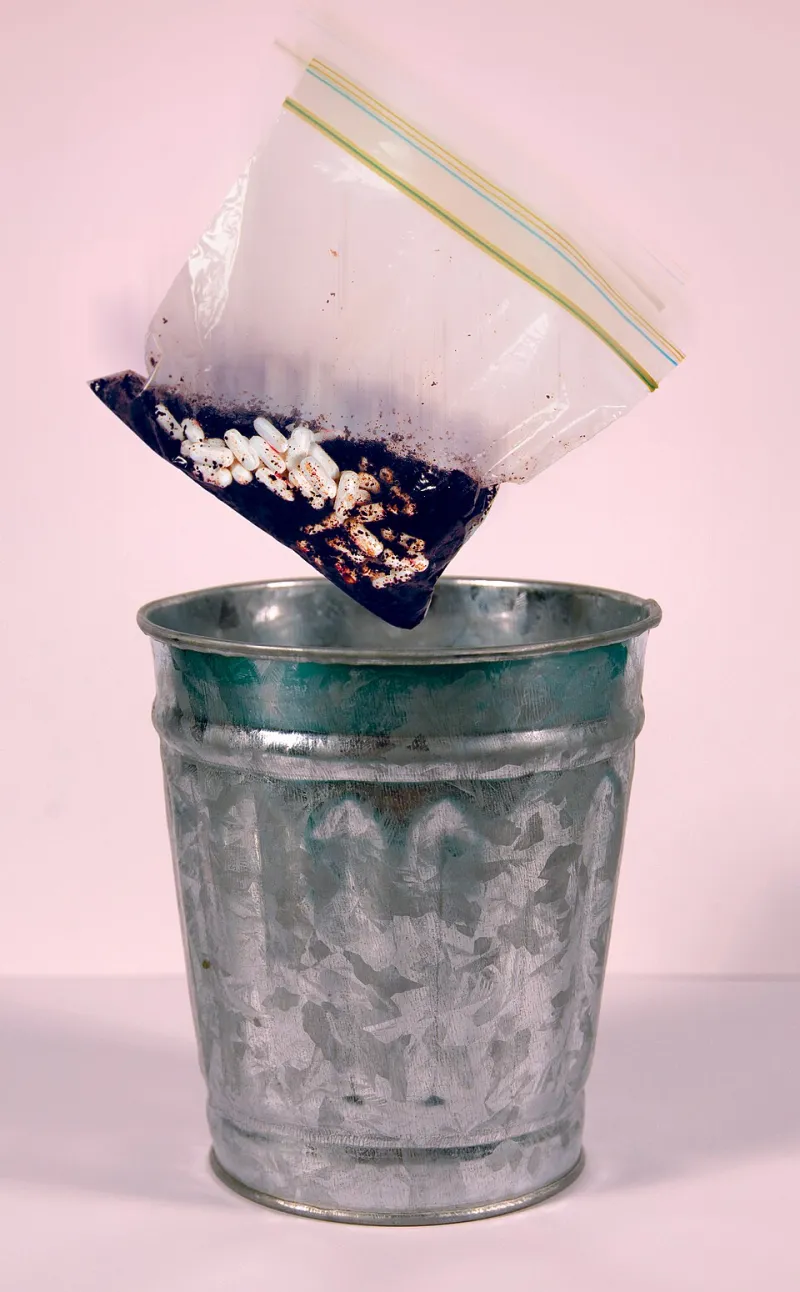
If no take-back option is available, follow FDA household disposal guidance: remove the prescription label or scratch out identifying information, mix the medicine with an unpalatable substance such as dirt or used coffee grounds, seal it in a bag or container, and place it in the household trash. Do not flush Levaquin unless the label or a pharmacist specifically instructs you to do so. Never give leftover antibiotics to family members, friends, or pets.
What Preparedness Should Look Like Instead
A better rainy-day plan does not involve a drawer of old capsules. It involves a current medication list, a clear record of allergies and past reactions, a primary care contact, and a pharmacy that verifies prescriptions and provides counseling. If symptoms return after treatment, the right move is to call a clinician—not to raid the cabinet.
At Levaquin Shop, we support convenient access to prescribed antibiotics with medical guidance. Convenience should never become a reason to bypass diagnosis, dosing review, or safety monitoring. Leftover Levaquin is not a rainy-day fund. It is an unmonitored risk, and the responsible choice is to dispose of it properly and seek real care when the next illness arrives.