A Year in the Sun: Levaquin Photosensitivity Protection from January to December
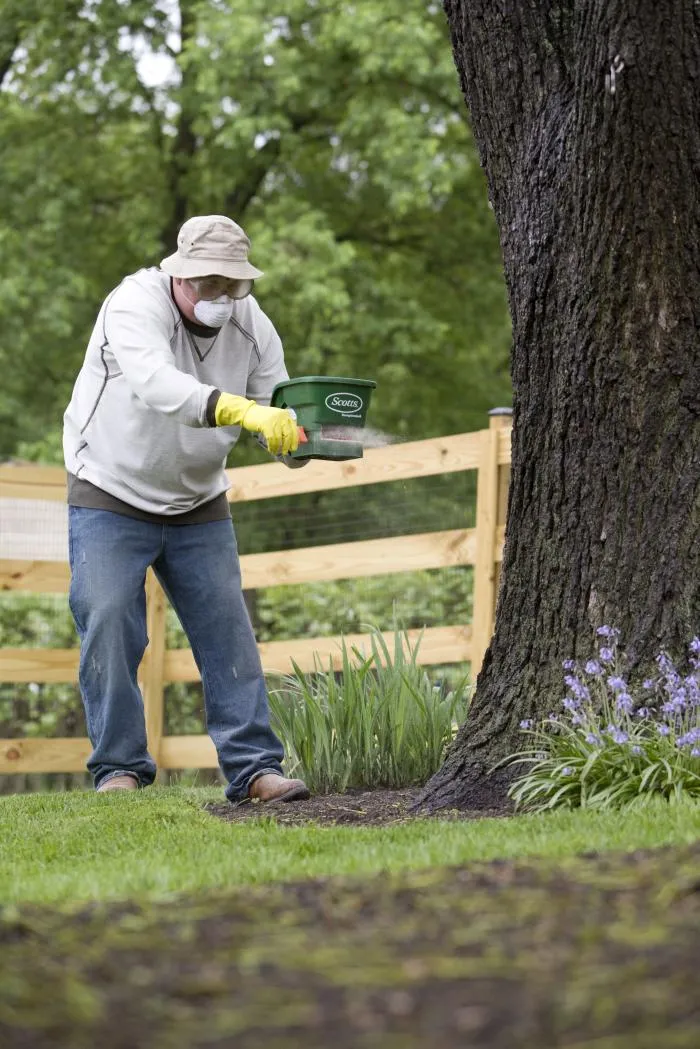
Photo: CDC/ Dawn Arlotta, Public domain, via Wikimedia Commons
Levaquin can make sunlight feel stronger. For some patients, the antibiotic causes photosensitivity—a heightened skin reaction to ultraviolet radiation that can look like an exaggerated sunburn, a rash, itching, or blistering. The risk does not begin and end with a beach vacation. It can follow patients through winter ski trips, spring yard work, summer errands, and autumn hikes. This checklist is designed to help patients using Levaquin Shop services build a practical, season-by-season protection plan.
Why Levaquin and Sunlight Require a Plan
Fluoroquinolone antibiotics, including levofloxacin, can cause photosensitivity reactions in some people. The reaction may occur after direct sun exposure or, in some cases, after exposure to artificial UV light such as tanning beds. Not everyone who takes Levaquin will react, and the severity varies. The prudent approach is prevention: assume your skin may be more vulnerable while you are taking the drug and for a short period afterward, and protect it consistently.
The Core Checklist: Before You Leave the House
- Apply a broad-spectrum sunscreen with SPF 30 or higher to all exposed skin, including ears, neck, hands, and the tops of feet.
- Reapply sunscreen every two hours, and sooner after swimming, sweating, or toweling off.
- Wear tightly woven clothing that covers the arms and legs when you will be outdoors for more than a short time.
- Choose a wide-brimmed hat and UV-blocking sunglasses.
- Seek shade during the strongest sun hours, generally late morning through mid-afternoon.
- Avoid tanning beds and other artificial UV sources.
- Check other medications and skincare products for ingredients that may add to sun sensitivity.
Season-by-Season Protection
Winter
Snow reflects UV rays, so a bright winter day can expose you more than you expect. Skiing, snowboarding, and high-altitude travel increase UV exposure further. Use sunscreen on exposed skin, apply lip balm with sun protection, and wear goggles or sunglasses. If you are vacationing in a sunny climate, pack sun protection as carefully as you pack your prescription.
Spring
The first warm weekends often bring long hours outdoors before skin has adjusted. Do not rely on a base tan for protection. Cover up for gardening, sports, and outdoor dining, and keep sunscreen in the car or bag so it is available before an unplanned walk or errand.
Summer
Summer is the most obvious risk season, but it is also the one where people forget to reapply. Water, sweat, and sand reduce sunscreen effectiveness. Use shade structures, rash guards, and hats for children and adults alike. If you are taking a once-daily dose, ask your prescriber or pharmacist whether the timing of your dose should be adjusted; some clinicians prefer evening dosing to reduce peak daytime exposure, but this should never be changed without professional advice.
Fall
Cooler weather does not mean weak sun. UV levels can remain significant on clear days, especially at higher elevations. Fall sports, leaf-peeping drives, and outdoor chores still call for sunscreen and protective clothing. Keep a travel-sized sunscreen in your jacket or backpack.
Dose Timing and Daily Habits
Ask your prescriber or pharmacist about the best time to take Levaquin based on your schedule and the reason it was prescribed. Do not skip, double, or split doses to work around sun exposure. If you develop a rash or unusual sun reaction, contact a clinician before taking another dose. A simple daily note about time outdoors and any skin changes can help your clinician assess whether a reaction is related to the medication.
When to Contact a Clinician
Mild redness or sunburn should still be monitored. Contact a clinician promptly if you develop a spreading rash, itching, blistering, swelling, fever, or a reaction that seems out of proportion to the sun exposure. Seek emergency care for hives with facial swelling, difficulty breathing, or other signs of a severe allergic reaction. Do not restart Levaquin after a suspected photosensitivity reaction unless a clinician tells you it is safe to do so.
A Final Seasonal Reminder
Photosensitivity is not a reason to panic, but it is a reason to plan. Levaquin Shop exists to support verified prescriptions and informed antibiotic use, and that includes practical safety counseling. Sun protection is a simple habit with real value: sunscreen, clothing, shade, and a timely call to your clinician when something changes. From January to December, the goal is the same—protect your skin while you take the medicine exactly as prescribed.